I started bike commuting because parking downtown cost $200 a month and the bus took an hour. The bike took 25 minutes. That math was easy.
Three years later, I’ve ridden through rain, snow, 95-degree heat, and one memorable morning with wind so strong I got passed by a jogger. Here’s what I wish someone had told me at the start.
The Route Matters More Than the Bike
Your first instinct is to take the fastest route. Fight that instinct. The busy arterial might be 1.2 miles shorter, but the quiet residential streets with the bike lane are where you’ll actually want to ride.
Strava’s heatmap shows where other cyclists go—bright orange means popular, which usually means safe. Google Maps has a bike option that highlights lanes and paths. Your city probably publishes an official bike map.
Test your route on a Saturday morning before you try it Monday at 8am. Traffic behaves differently during rush hour, and you want to know where the sketchy intersections are before you’re late for a meeting.
You Already Own a Commuter Bike
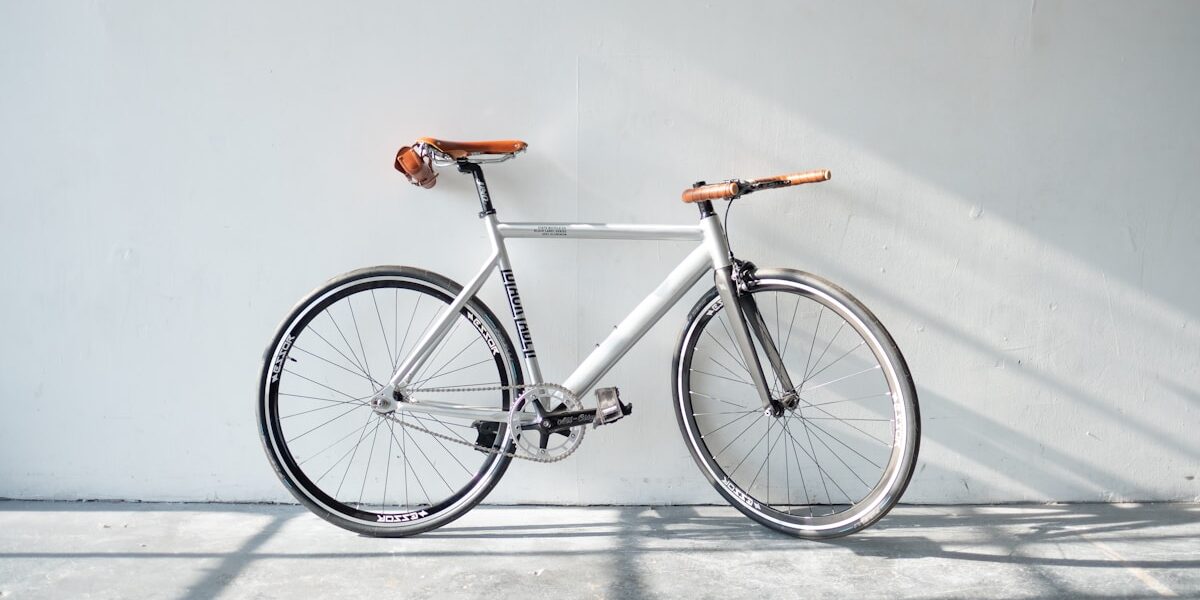
That mountain bike in your garage? Commuter. That road bike from 2015? Commuter. Old cruiser from college? Add lights and fenders—commuter.
You don’t need a special bike. You need lights (front and rear, non-negotiable), a lock that costs at least $50 (cheap locks get cut), and ideally fenders if you’ll ride in any kind of wet.
That said, if you want an excuse to buy a new bike, hybrids like the Trek FX or Giant Escape are built for exactly this. Upright position, puncture-resistant tires, mounts for racks and fenders. Or just get an e-bike and make hills irrelevant.
The Sweat Problem
You’re going to sweat. That’s the uncomfortable truth nobody mentions in the “bike to work!” articles. Here’s how to deal with it:
Ride slower. You’re not racing. Leave 10 minutes earlier and pedal at a pace that doesn’t spike your heart rate. You’ll arrive warm but not drenched.
Change at work. Keep a week’s worth of work clothes at your desk. Ride in cycling stuff, change in the bathroom, done. This is what most commuters do.
Shower at work. If your office has one, use it. Ride hard, shower, start your day feeling great instead of gross.
Embrace the sweat. If your dress code is casual enough for jeans and a polo, you can ride in that. Arrive 15 minutes early, cool down, you’ll be fine.
Rain Happens
A $100 rain jacket and cheap rain pants turn a miserable experience into a tolerable one. Fenders keep the road spray off your back. Waterproof panniers protect your laptop.
Or just… don’t ride in the rain. Check the forecast. Take the bus on genuinely bad days. You don’t have to be a hero. Commuting by bike three days a week still saves money and gets you exercise.
The Numbers (They’re Good)
Average car costs: $10K+ per year when you add payments, insurance, gas, maintenance, and parking. Bike commuting costs maybe $300-500 per year including tune-ups and new tires.
A 20-minute commute each way, five days a week, is 3+ hours of exercise built into your routine. You don’t have to “find time” to work out—you’re already doing it.
And the part nobody quantifies: you arrive at work awake. Not stuck in traffic, not packed into a subway car, but having just ridden through your city while the sun came up. It’s a better way to start the day.
Safety Isn’t Optional
Run lights front and rear, day and night. Flashing mode catches attention. Assume drivers don’t see you until you make eye contact.
Take the lane when the lane is too narrow to share safely. Riding in the gutter invites cars to squeeze past at unsafe distance. Own your space.
Avoid the door zone—ride at least four feet from parked cars. Getting doored is one of the most common cycling accidents and it happens fast.
Never pass a truck or bus on the right at an intersection. They can’t see you and they will turn through you.
Starting Small
Don’t try to go daily from week one. That’s how you burn out.
Start with one day a week. Pick a nice weather day. Ride, learn, adjust. Week two, maybe add a second day. By month two, three days a week feels normal. By month three, you’re annoyed when you have to drive.
Keep your transit pass active for backup. Keep a transit card in your pannier for mechanical emergencies. It’s not cheating to take the bus home when your tire goes flat at 5pm and you don’t want to fix it in a parking lot.
The Real Benefit
It’s not the money, though the money’s good. It’s not the fitness, though that’s good too.
It’s that commuting becomes a part of your day you actually enjoy. You’re outside. You’re moving. You’re not stuck in a metal box breathing recycled air while someone cuts you off for the third time. You show up at work having already done something for yourself.
Start with one day. See how it feels. Then see how it feels when you have to drive instead.



Leave a Reply