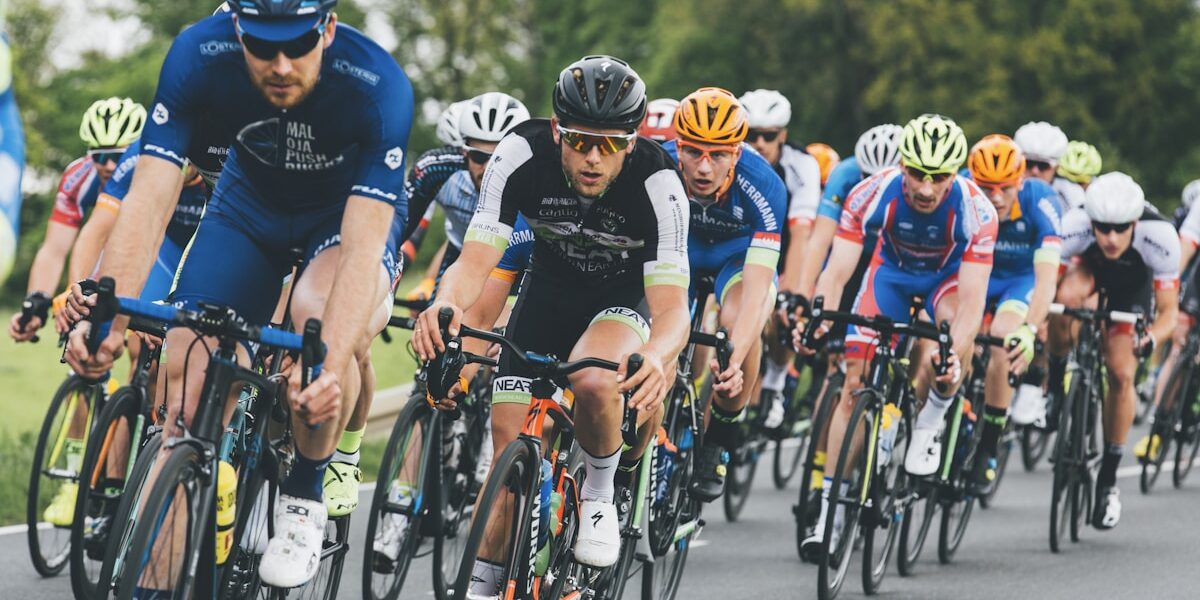
Nobody wakes up excited about gooey packets of sugar. But 50 miles into a long ride when your legs are screaming and you can’t remember why you thought this was fun? That gel in your pocket suddenly looks like salvation. Here’s what you actually need to know.
What Even Are These Things?
Energy gels are basically concentrated sugar in a squeeze packet—20-30 grams of carbs in goo form. Maltodextrin, fructose, sometimes caffeine, occasionally actual flavor. They exist because trying to chew a granola bar while hammering at threshold is a recipe for choking.
They hit your bloodstream in 10-15 minutes vs. 30+ for solid food. That’s the selling point. Whether they’re worth $2+ per packet is a different conversation.
When You Actually Need Gels (And When You Don’t)
Under an hour: Skip them. You’ve got 90+ minutes of stored glycogen. Water’s fine. Anyone telling you otherwise is selling something.
60-90 minutes: Only if you’re going hard. Easy coffee ride? No gel needed. Group ride where you’re getting dropped repeatedly? Maybe one at 45 minutes.
90+ minutes: Now we’re talking. Start taking them at 45-60 minutes in, then every 30-45 minutes after. Don’t wait until you feel bad—by then it’s too late.
How Many? The Math Is Simple-ish
Target 30-60 grams of carbs per hour once you’re past the 90-minute mark. Most gels are 20-25g. So roughly one every 30-45 minutes.
Three-hour ride = 3-4 gels. Century = 6-8 gels plus real food at rest stops. These numbers assume you’re eating breakfast before the ride like a normal person.
Some people can absorb more, some people’s stomachs revolt at two gels per hour. You’ll figure out your number through trial and misery.
The Gel Landscape
GU: The default. Available everywhere, a million flavors, works fine. $1.25-1.50 each. This is what most of us use.
Maurten: The fancy option. Uses “hydrogel technology” which sounds like marketing but actually does seem gentler on sensitive stomachs. Pro teams use it. $2.50-3.00 each—your wallet will feel it.
Honey Stinger: For people who hate the artificial taste of regular gels. Made with actual honey. Tastes less like chemicals, more like… slightly weird honey.
PowerBar/Clif: Solid budget options around $1-1.25. Work just as well as premium stuff for most riders.
SIS Isotonic: Pre-mixed with water so you don’t need to drink after. Game-changer for races where you can’t reach your bottle. $2ish.
How to Actually Eat These Things
The rookie move is ripping one open at a red light, choking it down dry, and then feeling your stomach cramp for the next 20 minutes. Don’t do that.
Drink water with your gel. 4-8 ounces. The carbs need water to absorb properly. Only exception: isotonic gels (SIS, Maurten) that are pre-diluted.
Pro tip: Tear the corner off 5 minutes before you need it. Pre-opened gel = one-handed eating while riding = not swerving into traffic.
The Caffeine Question
Many gels come in caffeinated versions. 20-50mg per gel, roughly equivalent to a half-cup of coffee. Feels like cheating the first time you take one—suddenly your legs work again.
But here’s the thing: save them. Using caffeine gels in hour one means you’re out of that card when you actually need it at hour four. I keep caffeine gels for the last third of long rides or the final push of a race. Limit yourself to 200-300mg total or you’ll end up jittery and dehydrated.
When Gels Make You Want to Die
GI distress is real. Your stomach might hate gels at first—cramping, nausea, urgent bathroom needs. This doesn’t mean gels don’t work for you. It usually means you need gut training.
Start with one gel on easy rides. Do that for two weeks. Then add a second. Gradually increase until you can handle race-day fueling (gel every 30-45 minutes) without issues.
If you’ve trained your gut and still can’t handle gels, try Maurten (gentler formulation) or switch to liquid carbs like high-concentration drink mix. Some people just need to chew—energy chews or real food might be your answer.
The Real Food Alternative
Gels aren’t the only answer. They’re just convenient.
Bananas cost $0.30 and work great. Rice cakes, fig bars, PB&J cut into squares, dates—all solid options. The catch: harder to eat at high intensity, bulkier to carry, slower to digest.
For training rides where you’re not racing the clock, mix in real food. Save the gels for hard group rides and race day. Your wallet will thank you.
Bottom Line
Buy a variety pack of GU or similar. Find 2-3 flavors you can tolerate. Practice eating them during training at the intensity you’ll race at. Bring enough for one every 30-45 minutes on anything over 90 minutes.
And never—ever—try a new gel brand on race day. That’s how you end up in a porta-potty at mile 40 wondering where things went wrong.


Leave a Reply