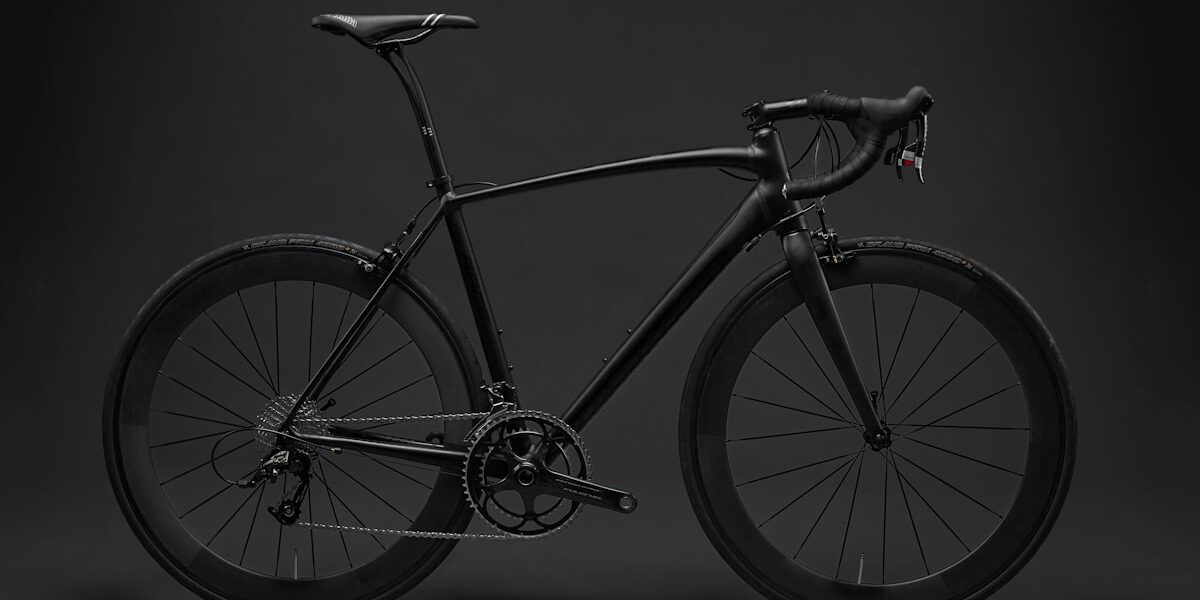
If you’ve ever stared at a spec sheet trying to figure out the difference between Shimano 105 and Ultegra — or wondered whether Tiagra is “good enough” — you’re not alone. I spent way too long doing exactly that before I bought my first serious road bike back in 2019. Since then, I’ve owned bikes with Sora, 105, and Ultegra, and I’ve swapped enough components to have opinions about all of them. Here’s what I’ve learned about Shimano’s groupset lineup, from the budget stuff all the way up to the pro-level gear.
What Is a Groupset, Anyway?
A groupset — sometimes called a “gruppo” if you want to sound Italian at the bike shop — is basically everything on your bike that makes it go and stop. We’re talking shifters, derailleurs (front and rear), crankset, cassette, chain, brakes, and the bottom bracket. Shimano makes complete groupsets at a bunch of different price points, and each tier is aimed at a different kind of rider. The naming can get confusing, but once you see the hierarchy laid out, it starts to click pretty fast.
Shimano Road Bike Groupsets — From Top to Bottom
1. Shimano Dura-Ace (9200 Series)
Price Range: $3,000-$4,500
Who It’s For: Professional racers and folks with deep pockets
Dura-Ace is the top of the food chain for Shimano road components. I got to ride a friend’s S-Works with a full 9200 Dura-Ace Di2 build last summer, and yeah — the shifting is absurdly smooth. The current generation is 12-speed electronic with wireless shifting capabilities, and Shimano shaves weight everywhere using titanium and carbon fiber. Is it four times better than Ultegra? Honestly, no. But it’s lighter, it’s a little more refined, and if you’re racing at a high level, those margins matter.
What You Get: 12-speed cassette (11-30T to 11-34T), Di2 electronic shifting, hydraulic disc brakes, roughly 160g lighter than Ultegra across the whole groupset
2. Shimano Ultegra (8100 Series)
Price Range: $1,800-$2,500
Who It’s For: Competitive amateurs and dedicated weekend warriors
I’ve been running Ultegra on my main road bike for about 3 years now, and it’s been bulletproof. Ultegra gives you something like 95% of Dura-Ace’s performance at around 60% of the cost — that’s a deal I’ll take every time. The 8100 series shares most of Dura-Ace’s tech, just with slightly heavier materials here and there. Fun fact: a lot of pro teams actually train on Ultegra to save their Dura-Ace stuff for race day. It comes in both mechanical and electronic Di2 flavors.
What You Get: 12-speed (mechanical and Di2 options), hydraulic disc brakes, a durability-to-weight ratio that’s hard to argue with
3. Shimano 105 (7100 Series)
Price Range: $900-$1,400
Who It’s For: Serious recreational riders and people doing their first races
There’s a reason everyone calls 105 the sweet spot, and after owning the R7000 (11-speed) for two seasons before upgrading, I totally get it. The newest 12-speed 105 uses the same shifting architecture that trickled down from Dura-Ace, so the shifts are crisp and reliable. It’s mechanical only — no Di2 option here — but for most people, that’s perfectly fine. If you’re buying your first “real” road bike and don’t know what groupset to get, 105 is almost always the right answer.
What You Get: 12-speed mechanical shifting, hydraulic disc brakes, proven reliability, though there’s a noticeable weight jump compared to Ultegra
4. Shimano Tiagra (4700 Series)
Price Range: $500-$700
Who It’s For: Newer road cyclists and fitness riders
Here’s the thing about Tiagra — it’s still a 10-speed groupset, which means it won’t play nice with newer 11- and 12-speed parts if you want to upgrade later. That said, it shifts well and stops when you need it to. I’ve set up a couple of commuter bikes for friends with Tiagra, and none of them have complained. You can get it with rim brakes or hydraulic discs, and the 4-arm crankset design looks pretty clean for the price.
What You Get: 10-speed, 4-arm crankset, solid construction that holds up to daily use, easy on the wallet
5. Shimano Sora (3000 Series)
Price Range: $350-$500
Who It’s For: Beginners and casual road riders
My first real road bike came with Sora back in 2017 — a Giant Contend 3, if I remember right. It’s a 9-speed system with older-generation tech, and you’ll find it on most entry-level road bikes under $1,000. It’s heavier and the shifts aren’t as polished as what you get higher up the ladder, but it worked just fine for my first year of riding. I put close to 2,000 miles on that setup before I started wanting more gears.
What You Get: 9-speed, traditional cable shifting, rim brakes as standard, an affordable way to get into road cycling
6. Shimano Claris (2000 Series)
Price Range: $250-$350
Who It’s For: First-time bike buyers and people watching their budget
Claris is the bottom of Shimano’s road lineup with 8-speed shifting. You’ll see it on bikes in the $600-$800 range, and it’s built more for durability than outright performance. For bike path riding, casual fitness loops, and commuting where you don’t need laser-precise shifts, Claris does the job. It’s heavy, sure, but it’s tough and cheap to maintain — and honestly, when you’re just getting started, that matters more than saving grams.
What You Get: 8-speed, basic but functional shifting, heavier but hard to break, very affordable
Shimano Mountain Bike Groupsets — From Top to Bottom
1. Shimano XTR (M9100/M9200 Series)
Price Range: $2,500-$3,800
Who It’s For: Pro-level XC and trail racers
XTR is the Dura-Ace of the dirt world. It’s Shimano’s top mountain bike groupset with a 12-speed drivetrain, an advanced clutch derailleur that keeps your chain quiet on rough stuff, and seriously lightweight construction. You can run it as a 1×12 single-ring setup — which is what most people do now — or a 2×12 double-ring if you really want the range. There’s even a Di2 electronic option, though I don’t see many people running it outside of XC racing.
2. Shimano Deore XT (M8100 Series)
Price Range: $1,200-$2,000
Who It’s For: Serious trail and enduro riders
A buddy of mine has been beating on the same XT drivetrain for two seasons of enduro racing, and it’s still shifting clean. XT gives you near-XTR performance with better durability for aggressive riding — which, let’s be honest, is what most mountain bikers actually need. The 12-speed system has wide-range cassettes that go from 10-51T, so you can crawl up just about anything. A lot of riders — myself included — think XT hits the best balance of weight, toughness, and price in the whole MTB lineup.
3. Shimano SLX (M7100 Series)
Price Range: $600-$900
Who It’s For: Recreational trail riders and weekend warriors
SLX is basically XT’s 12-speed tech packaged in slightly heavier materials at a lower price. If you’re not racing but you still want modern shifting performance, SLX is where I’d point you. It’s durable enough for bike park laps — I’ve seen guys run it at Whistler all season — and it shifts just as well as XT when everything’s dialed in. This is the sweet spot for trail riders who don’t want to overthink their component choices.
4. Shimano Deore (M6100 Series)
Price Range: $350-$550
Who It’s For: Newer mountain bikers and cross-country riders
Here’s where things get interesting. Deore now has 12-speed shifting with wide-range cassettes, which means you’re getting technology that used to be XTR-only just a few years ago on an affordable groupset. It handles trail riding, commuting, and bikepacking without breaking a sweat. The clutch derailleur cuts down on chain slap and keeps the chain from bouncing off on rough terrain. For the money, it’s honestly kind of wild how well it performs.
5. Shimano Alivio/Acera (M3000/M2000 Series)
Price Range: $200-$300
Who It’s For: Casual riders and hybrid bike owners
These are Shimano’s entry-level mountain bike groupsets with 9-speed drivetrains and basic shifting. You’ll find them on budget mountain bikes and hybrids. They’re not fancy, but they get the job done for light trail riding and commuting. If you’re just getting into mountain biking and don’t want to spend a fortune, Alivio or Acera will work fine while you figure out what kind of riding you’re into.
What Actually Changes Between Tiers
Weight
Every step up the ladder shaves off around 200-300 grams by swapping materials — aluminum gives way to carbon fiber, steel bolts become titanium, and component shapes get optimized. Comparing a full Dura-Ace groupset to a full 105 groupset, you’re looking at roughly 400-500g difference. That sounds like a lot on paper, but spread across 15+ components, you don’t really feel it unless you’re racing.
Shifting Performance
This is where you actually notice the difference day to day. Higher-tier groupsets shift crisper, with shorter lever throws and less effort. The derailleurs have better cable routing, stiffer construction, and tighter tolerances. And Di2 electronic shifting? It just eliminates cable stretch entirely — you set it up once and it stays perfect until the battery dies. I noticed the biggest jump going from Sora to 105, for what it’s worth. After that, the improvements get more subtle.
Durability vs. Performance
Here’s something that surprised me when I first learned about it: mid-tier groupsets like Ultegra and XT often last longer than the premium stuff. Lighter materials wear down faster under heavy use — that’s just physics. For high-mileage training, plenty of riders choose Ultegra or XT over Dura-Ace or XTR specifically because replacement parts are cheaper and the components hold up better over thousands of miles. I’ve gone through two Ultegra chains in the time it would’ve taken me to wear through maybe one and a half Dura-Ace chains — but the Dura-Ace chains cost twice as much to replace.
How Technology Trickles Down
Shimano always launches new features on Dura-Ace and XTR first, then works them down the lineup over 2-3 years. Case in point: 12-speed shifting showed up on Dura-Ace back in 2018, hit Ultegra in 2021, and reached 105 in 2022. So when you buy 105 today, you’re essentially getting Dura-Ace technology from a few years ago — at a fraction of the price. That’s not a bad deal at all.
So Which Groupset Should You Actually Get?
If you’re racing or chasing performance: Dura-Ace or XTR if your budget can handle it. But honestly, Ultegra or XT gives you the best bang for your buck in this category — that’s what I’d recommend to anyone who asks.
If you’re a serious recreational rider: 105 or SLX. You get modern features, good durability, and you won’t feel like you’re compromising. I rode 105 for two full seasons of gran fondos and charity rides and never once wished I had something more.
If you’re riding for fitness or commuting: Tiagra, Sora, or Deore gives you reliable shifting without spending more than you need to. These groupsets don’t need much maintenance and they just work.
If you’re just starting out: Claris or Alivio/Acera gets you on the road (or trail) without a huge investment. Ride it until your skills outgrow the components, then upgrade the whole bike — that’s usually smarter than upgrading piece by piece on a budget frame.
Can You Mix Components from Different Tiers?
Yes — as long as you stay within the same speed count. If everything’s 12-speed, you can mix and match Shimano tiers pretty freely. I’ve done this myself, and it’s a great way to save money or upgrade specific parts without replacing everything at once. Some combos I’ve seen work well:
- Ultegra shifters and derailleurs paired with a 105 crankset and cassette — saves you a chunk of cash with minimal performance loss
- 105 drivetrain with Ultegra brakes — this is what I ran for a while, and the braking upgrade was absolutely worth it
- XT shifters with an SLX derailleur and cassette — good balance of feel at the lever and cost savings on parts that wear out
One big warning though: don’t mix speed counts. Putting an 8-speed cassette with 11-speed shifters isn’t going to work — they use different cable pull ratios and the shifting will be a mess. Same goes for mixing road and mountain bike components across the drivetrain. Just don’t do it.
The Bottom Line
Shimano’s groupset lineup gives you a clear path at every budget, and there’s genuinely no bad option if you pick the right tier for how you ride. Dura-Ace and XTR are the best stuff Shimano makes, sure, but most riders — and I’d include myself here — find the best value somewhere in the middle. Today’s 105 groupset performs better than Dura-Ace from 10 years ago, which really puts things in perspective.
My advice? Think about how often you ride, what your goals are, and what you can comfortably spend. A well-maintained 105 setup will outperform a neglected Dura-Ace build any day of the week — I’ve seen it happen at group rides more times than I can count. Get your bike fit dialed, invest in a decent frame and wheelset, and don’t stress too much about saving 100 grams on your groupset. The engine matters way more than the drivetrain.

Leave a Reply