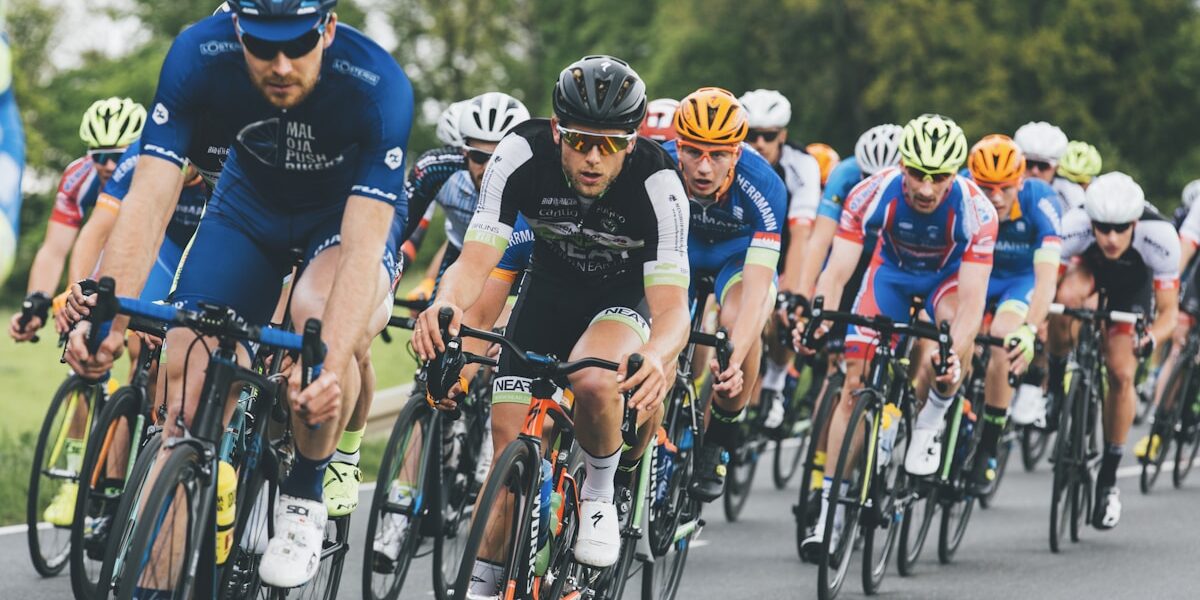
You know the feeling. Everything’s great for two hours. Then suddenly your legs turn to concrete, you’re seeing stars, and a gentle 3% grade feels like Alpe d’Huez. Welcome to the bonk—and it’s almost always preventable.
What’s Actually Happening
Your body stores about 90-120 minutes of glycogen (stored carbs) for moderate riding. Once that’s gone, you’re running on fat—which burns way slower. The sudden crash? That’s your glycogen tank hitting empty faster than your body can switch fuel sources.
The kicker: by the time you feel it, you’re already 20-30 minutes behind. You can’t fix a bonk in progress, only manage it.
The Mile 60 Problem
Here’s why so many riders bonk around mile 60: they ate breakfast, felt great through hour two, got distracted, and forgot to eat. Then somewhere around 2.5-3 hours, the wheels fall off.

The fix is stupidly simple: set a timer. Eat every 30-45 minutes starting at the one-hour mark. I don’t care if you’re not hungry. Your future self at mile 70 will thank you.
What To Eat (And How Much)
Target 30-60 grams of carbs per hour after the first 60 minutes. That’s about one gel or a banana every half hour. Real food works fine too—fig bars, rice cakes, dates. Whatever you can stomach while pedaling.

The problem isn’t knowing this—everyone knows this. The problem is doing it when you’re feeling good and food sounds unappealing. Force yourself anyway.
Before and After
Eat real food 2-3 hours before the ride. Oatmeal, toast, rice—boring carbs that won’t upset your stomach. Skip the bacon egg and cheese 30 minutes before departure.
After the ride, that 30-minute window matters. Chocolate milk is the classic (4:1 carbs to protein, cheap, delicious). Or anything with both carbs and protein. Real meal within two hours.
Bonking sucks. But it’s the most avoidable problem in cycling. Eat early, eat often, don’t be a hero. Your legs at mile 80 will feel completely different.


Leave a Reply