I rode my first real mountain bike trail with the suspension settings exactly as they came from the shop. Stock air pressure, stock rebound, stock compression. The bike felt like a pogo stick on the descents and wallowed through corners like it was made of pudding. A friend watched me ride for about thirty seconds and said “dude, your sag is way off.” I had no idea what sag was.
Twenty minutes of adjustment later, the same trail felt completely different. Same bike, same tires, same rider — just properly set up suspension. Here’s what I learned.
Sag: The Starting Point for Everything
Sag is how much your suspension compresses under just your body weight when you’re sitting on the bike in riding position. For most trail bikes, you want 25-30% sag — meaning if your fork has 150mm of travel, it should compress about 37-45mm with you sitting on it. Too little sag and you’ll bounce off every root and rock. Too much and you’ll use up your travel on small stuff and bottom out on the big hits.
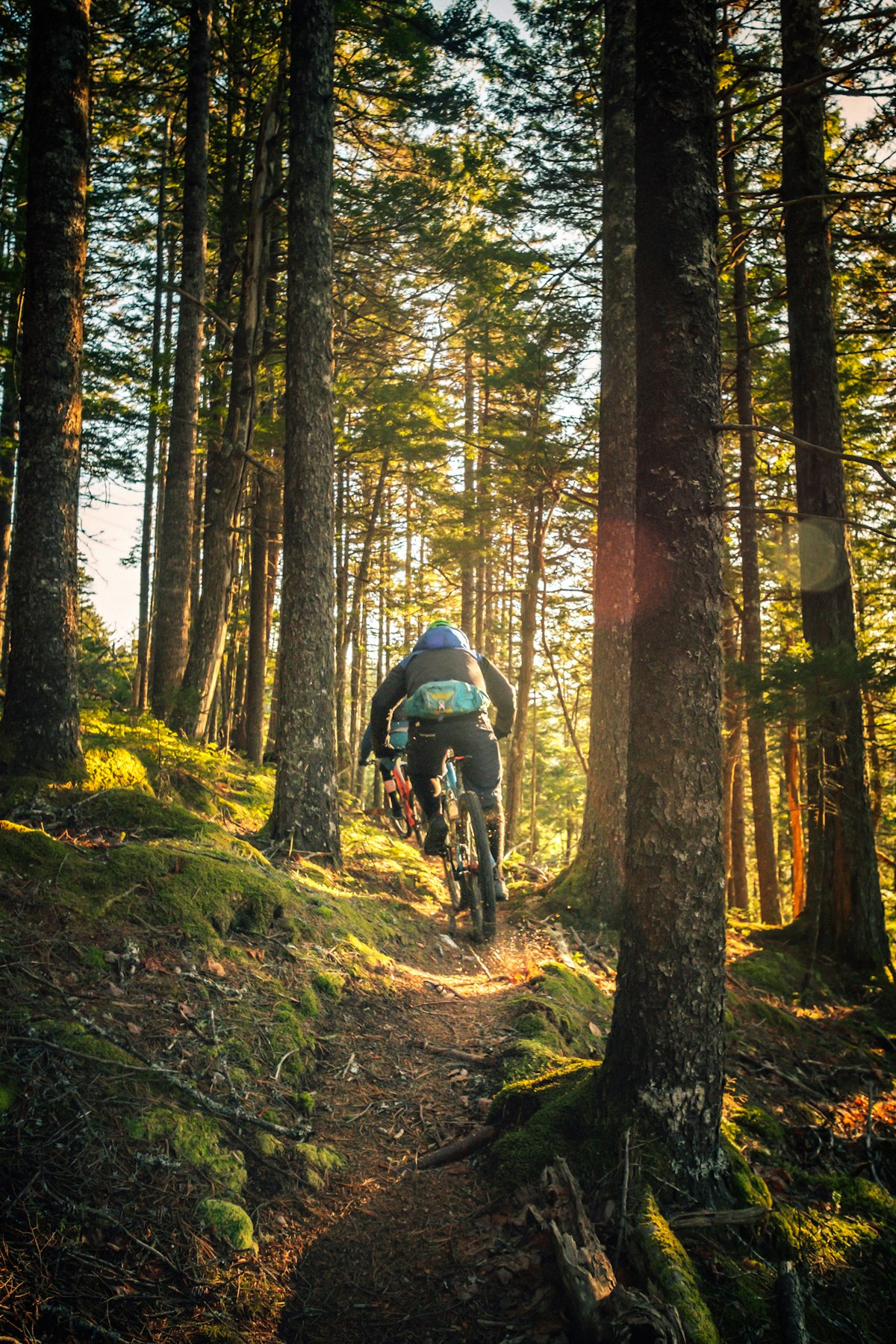
How to Set It Up
If you have an air shock (most modern trail bikes do), sag is controlled by air pressure. You’ll need a shock pump — regular tire pumps don’t work because the volumes are tiny and the pressures are high. Most forks and rear shocks have an o-ring or indicator band on the stanchion that shows how far the suspension compressed.
Sit on the bike in your normal riding gear, have a friend hold you steady, and check where the o-ring sits. If you’re at 20% sag, add air. At 35%, let some out. It’s iterative — make small adjustments, ride, and feel the difference. I keep a shock pump in my truck so I can tweak on the fly.
Rebound damping controls how fast the suspension returns after compressing. Too fast and the bike feels bouncy — it bucks you around on repeated hits. Too slow and the suspension can’t recover between impacts, packing down deeper with each bump. Start in the middle of the rebound range and adjust from there. If the bike feels like it’s kicking you on the downhills, slow the rebound. If it feels dead and sluggish over repeated bumps, speed it up.

Tuning for Different Terrain
Compression damping controls how the suspension responds to impacts. Firmer compression prevents the front end from diving on steep descents and keeps the bike from squatting excessively under pedaling. Softer compression improves small bump sensitivity — the fork eats chattery rocks and roots instead of transmitting them to your hands.
I run slightly different settings depending on the trail. Flowy singletrack with lots of small bumps? Softer compression. Steep, chunky descents? Firmer, so the bike stays composed at speed. Some riders write their settings on a piece of tape on the fork so they can switch between setups quickly.
The main thing is to experiment. Suspension setup is personal — your weight, riding style, how aggressive you are in corners, and even your local trail conditions all factor in. There’s no single right answer, but there’s definitely a wrong one: leaving everything at stock settings and never touching it.



Leave a Reply