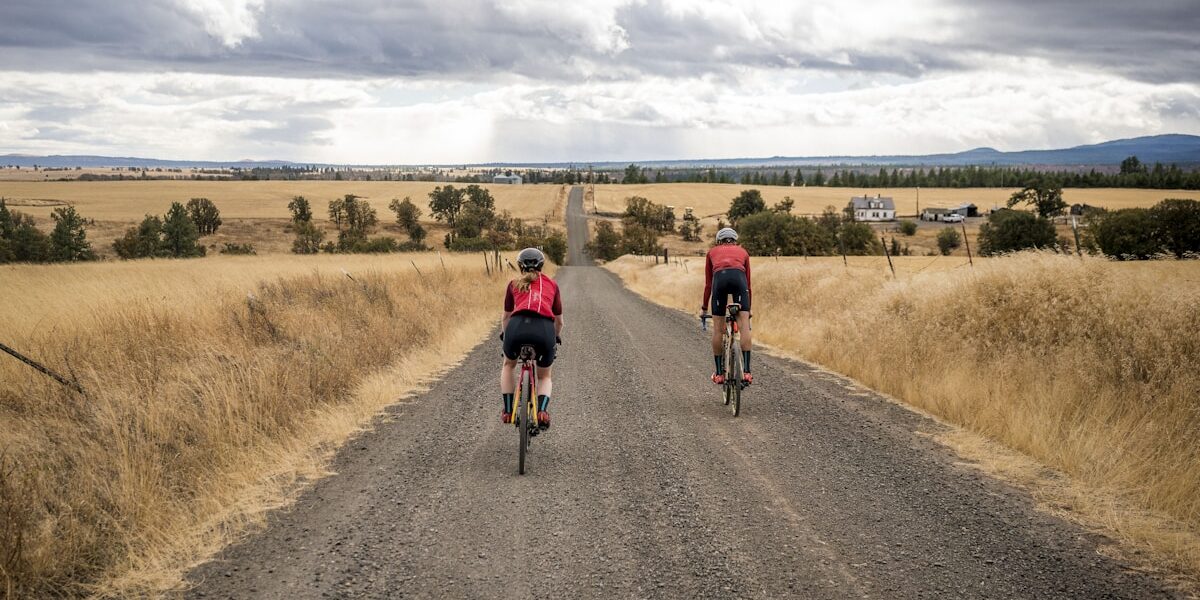
I bought my first gravel bike on a whim after getting a flat tire on a beautiful dirt road during a road ride and realizing my 25mm tires were completely wrong for where I actually wanted to ride. That was two years and about 4,000 gravel miles ago. I’ve since sold my road bike — which I never expected — because gravel riding is just more fun for where I live.
If you’re curious about gravel but haven’t pulled the trigger, here’s what I wish someone had told me before I started.
What Gravel Riding Actually Is
It’s riding on unpaved roads. That’s it. County roads, forest service roads, farm roads, rail trails — anything that’s not paved but also not full-on mountain bike singletrack. In practice, surfaces range from smooth packed dirt that feels like riding on pavement to chunky loose rock that makes you question your life choices. Most gravel roads fall somewhere in between.
The appeal is simple: less traffic, more scenery, and access to roads you’d never find on Strava’s popular road segments. My favorite loop from home hits a county road through horse farms, a forest service road along a creek, and a gravel climb through an apple orchard. Zero cars on the unpaved sections. Try finding that on a road ride.
The Bike: What Actually Matters
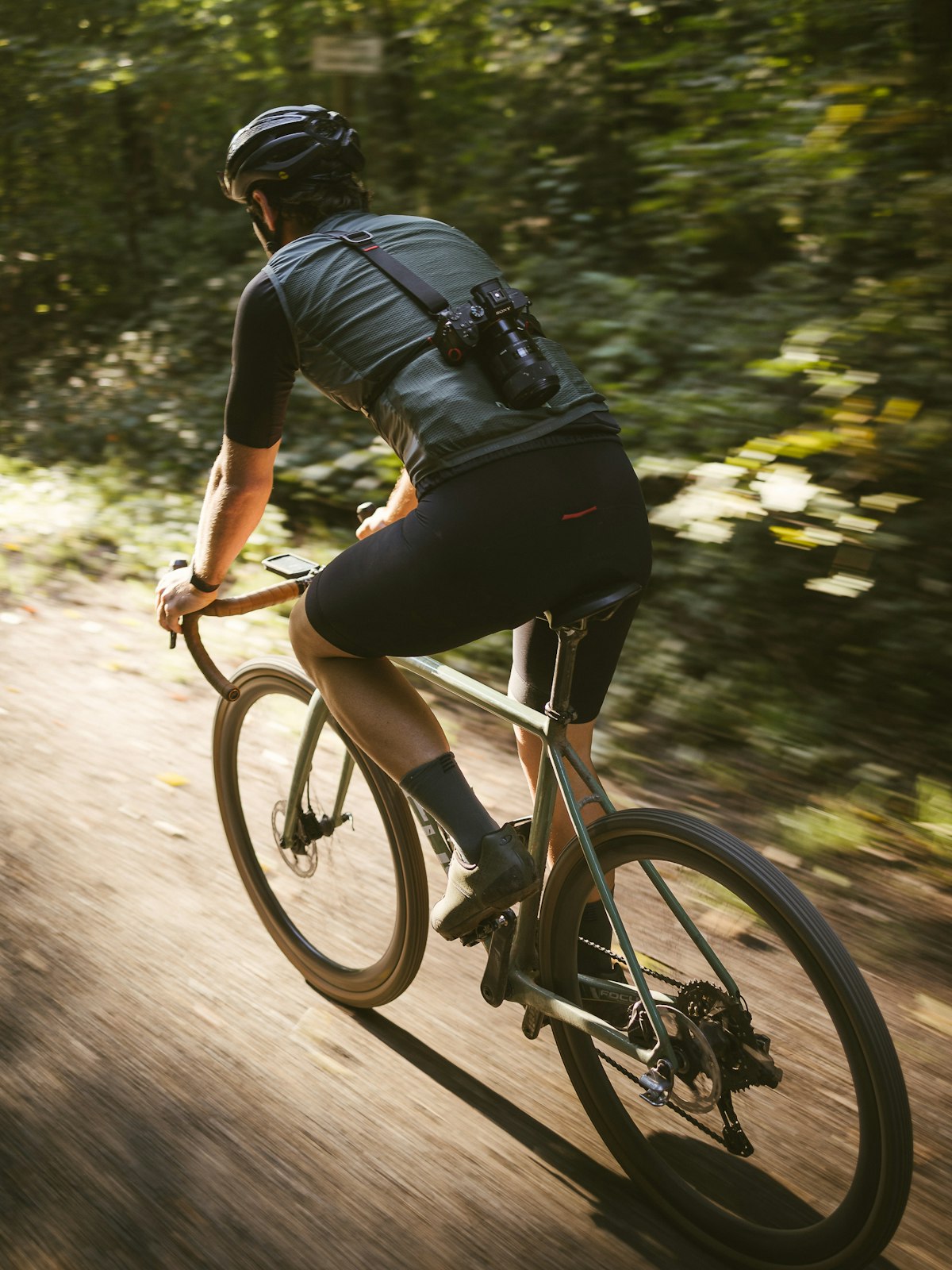
Tire clearance is the main thing that makes a gravel bike a gravel bike. Most gravel frames fit tires from 38mm to 50mm wide. My bike runs 42mm tires and handles everything from smooth dirt to moderately chunky gravel. Wider is more forgiving, narrower is faster on pavement. I’d recommend starting with 40-42mm and adjusting from there.
Disc brakes are non-negotiable. Rim brakes and loose gravel don’t mix. Hydraulic discs are ideal — the modulation lets you feather braking on sketchy surfaces instead of grabbing a fistful and locking up. I learned this distinction the hard way on a steep gravel descent with mechanical discs. Upgraded to hydraulic the next month.
Gearing should be lower than road. Gravel climbs on loose surfaces require lower gears because you can’t stand and mash — your rear tire just spins. I run a 40T chainring with an 11-46T cassette (1x setup). The simplicity of a single chainring is nice too — no dropped chain, no front derailleur to rattle loose on rough roads.
Geometry is more relaxed than a road bike. Longer wheelbase for stability, slacker head angle so the front wheel doesn’t wash out in gravel, more stack height so you’re not bent over in a position that makes it hard to see the road surface. My gravel bike is noticeably more stable than my old road bike was, which matters when the surface under you is unpredictable.
Essential Gear
Go tubeless. Seriously, this is the single best upgrade for gravel riding. Tubeless tires with sealant inside auto-plug small punctures from thorns and sharp gravel. I ran tubes my first month and flatted four times. Went tubeless and haven’t flatted in over a year. The setup is a little messy (sealant everywhere the first time), but it’s worth the 30 minutes of hassle.
Running tubeless also lets you drop tire pressure to 30-40 PSI without risking pinch flats. Lower pressure means more grip, more comfort, and fewer impacts rattling your teeth loose. The difference between 50 PSI and 35 PSI on a washboard gravel road is genuinely transformative.

Bags. Gravel riding and bikepacking gear go together naturally. A top tube bag for snacks and phone, a frame bag or saddle bag for tools and spares. I carry a multi-tool, tire levers, a spare tube (even with tubeless — backup matters), CO2 cartridges, a hand pump, and a quick link for the chain. When you’re 20 miles down a forest road with no cell service, self-sufficiency isn’t optional.
Finding Routes
Ride With GPS has a great gravel filter on their route finder. Komoot is solid for this too. I found most of my favorite routes by zooming into satellite view on Google Maps, looking for unpaved roads, and connecting them into loops. County road maps (often available from your local government website) show road surface types, which saves time.
The other great resource: other gravel riders. Join a local gravel group ride or look for Facebook groups in your area. Every experienced gravel rider has “you have to ride this road” recommendations. The community is welcoming in a way that road cycling sometimes isn’t — less Lycra elitism, more “nice bike, want to ride?”
Mistakes I Made So You Don’t Have To
Tire pressure too high. I ran 50 PSI my first few rides because that’s what I was used to on road tires. I bounced off every rock and had zero grip in corners. Dropped to 35 PSI and it was like riding a different bike. Start low, add pressure if you feel the tire squirming in corners.
Death grip on the bars. Loose gravel makes you tense up, which makes your arms rigid, which makes the bike feel unstable, which makes you grip harder. Vicious cycle. Relax your hands and arms. Let the bike move underneath you. It wants to stay upright — let it.
Overestimating distance. 40 miles of gravel feels like 55 miles of road. Loose surfaces, rougher terrain, and more climbing eat into your speed and energy. My first gravel “century” attempt ended at mile 72 when I bonked completely. Plan shorter distances than your road equivalent until you calibrate.
Staring at obstacles. You will ride directly into whatever you’re looking at. See a big rock? Look at the gap next to it, not the rock itself. This is basic mountain bike advice but it applies completely to gravel descents.
The best thing about gravel riding is the exploration. Every ride feels like a minor adventure because you’re on roads with no traffic, no stoplights, and sometimes no idea what’s around the next corner. That’s why I sold the road bike. Give it a try and see if it hooks you the way it hooked me.


Leave a Reply