The most comfortable bike seat is the saddle that supports your anatomy in your actual riding position without creating concentrated pressure, chafing, instability, or numbness. More padding is not automatically more comfortable, and a model that works for one rider may fail for another. Start with bike fit and saddle shape, then test the result on the type and duration of ride you normally do.
Comfortable bike-seat checklist
- Confirm that saddle height, fore-aft position, tilt, reach, and handlebar height are reasonable.
- Estimate or measure sit-bone spacing using a repeatable shop or manufacturer method.
- Match saddle width and shape to your riding posture—not just the measurement.
- Choose pressure relief, padding, and shell flexibility for your needs.
- Use a shop or brand with a meaningful demo or return program.
- Change one variable at a time and record the adjustment.
- Stop riding and seek appropriate care for persistent numbness, loss of sensation, bleeding, severe pain, or other concerning symptoms.
First check the bike fit
A saddle cannot compensate for a bike that places the rider incorrectly. A saddle that is too high can cause hip rocking and repeated friction; excessive reach or low handlebars can rotate and load the rider forward; a saddle far out of position can change pressure and knee mechanics. British Cycling’s saddle-soreness guidance identifies saddle height and handlebar position as contributors to discomfort.
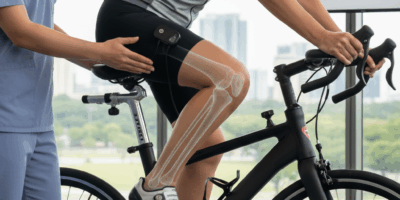
Before buying another saddle, note the current saddle height, setback, tilt, and handlebar relationship. If pain persists, is one-sided, or appears with knee, hip, or back symptoms, a qualified bike fitter or appropriate clinician can assess interactions that a product chart cannot.
Measure sit-bone spacing—but do not stop there
Sit-bone measurement provides a starting point for saddle width. Shops and brands use pressure pads, impression materials, or other fitting systems. Follow the chosen system’s instructions because the recommended added width is specific to its saddle shapes and rider-position assumptions.
Do not apply one universal “add 20 mm” rule to every brand. As the torso rotates forward, pelvic contact with the saddle changes. A road racer, upright commuter, mountain biker, and time-trial rider can require different shapes even with the same measured anatomy.
Choose the profile for how you sit and move
| Feature | May suit | Watch for |
|---|---|---|
| Flatter profile | Riders who change position frequently | Insufficient support if you prefer to remain planted |
| Curved or waved profile | Riders who prefer a defined seating position | Edges or shape that restrict movement or create pressure |
| Short nose | Forward-rotated positions or riders seeking less material ahead | Whether the usable support area and rail range fit your position |
| Center channel or cutout | Riders who benefit from pressure relief | Cutout edges can create new pressure if shape or setup is wrong |
| No-nose design | Some riders addressing perineal pressure | Different balance and control feel; requires careful adaptation |
Why more padding can make discomfort worse
Soft padding feels appealing during a brief store test, but deeply compressed foam or gel can allow the body to sink, increase movement, and place pressure on surrounding tissue. For longer rides, many riders prefer firmer, correctly shaped support paired with cycling shorts appropriate to the discipline.
That does not mean every comfortable saddle must be hard. Padding amount, density, shell flex, cover friction, and shape work together. Evaluate support after riding, not by pressing a thumb into the saddle.
Tilt and position: use small adjustments
Begin near the saddle or bike manufacturer’s recommended neutral position. Measure from a consistent reference because a curved or stepped saddle may not read “level” the same way as a flat one. Make small changes, stay within the rail’s marked clamping limits, use the correct torque, and retest.
- Sliding forward: do not automatically tilt the nose upward; first check excessive downward tilt, reach, bar drop, and saddle position.
- Pressure at the front: assess overall posture, tilt, saddle shape, and relief channel rather than making a large tilt change.
- Hip rocking: saddle height may be excessive, though mobility, leg-length difference, or other fit factors can contribute.
- Inner-thigh rubbing: width, nose shape, clothing, lateral movement, or saddle height may be involved.
If your existing setup feels unstable, use the separate guide for diagnosing a road-bike saddle that may be too high.
Numbness is a warning sign, not normal adaptation
The CDC’s National Institute for Occupational Safety and Health says genital numbness or loss of feeling should not be ignored. Its research focused primarily on occupational bicycle riders and no-nose saddles, so it should not be treated as proof that one saddle design is best for every recreational or competitive cyclist. It does establish that prolonged perineal pressure can be a health concern and that fit and pressure distribution matter.
If numbness, tingling, or loss of sensation begins, stop and get off the saddle. Recurrent symptoms warrant professional fit and medical advice. See the NIOSH bicycle-saddle guidance for its occupational recommendations and limitations.
How to test a saddle fairly
- Record the old saddle’s height, setback, tilt, and nose-to-handlebar reference.
- Account for differences in saddle stack height and rail-to-top dimensions.
- Install within the rail markings at the specified clamp torque.
- Begin with a short familiar route and normal cycling shorts.
- Test seated climbing, flat riding, and the hand positions you regularly use.
- Increase duration only if there is no numbness, sharp pain, chafing, or instability.
- Use the return window if the underlying shape is wrong; do not force adaptation to concerning symptoms.
Match the saddle to the bike
Road bike
Forward torso rotation and multiple hand positions make shape and pressure relief important. Avoid choosing only by low weight or professional-racing use.
Commuter or hybrid
A more upright position often changes support needs. Moderate padding may work for short trips, but width and stability still matter.
Mountain bike
The rider moves frequently behind and around the saddle, so edge shape, nose clearance, durability, and control can matter alongside seated comfort.
Indoor trainer
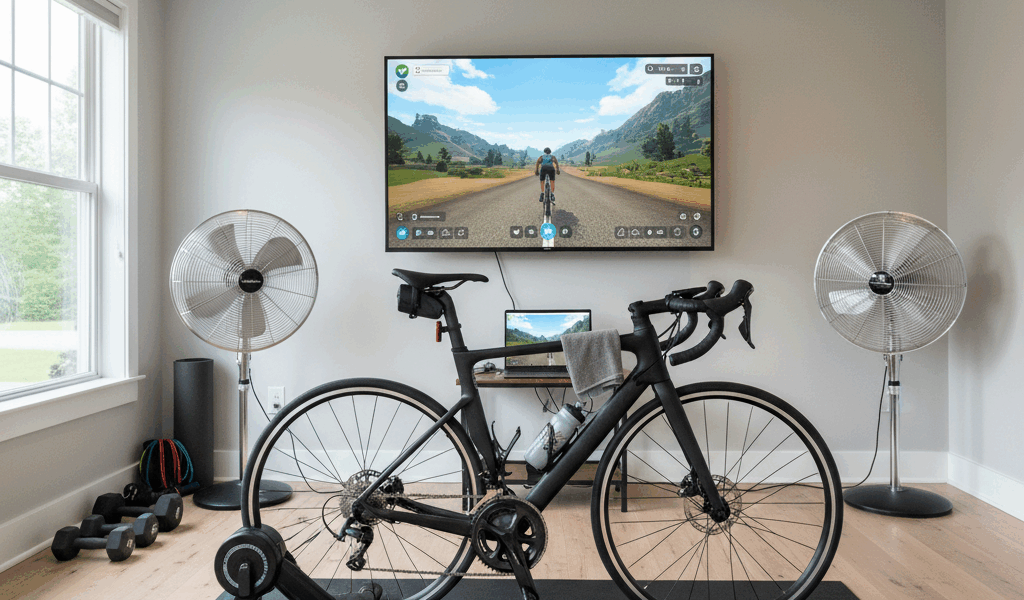
Indoor riding can magnify pressure because the bike moves less and riders may change position less often. British Cycling recommends checking saddle height, reach, cleat position, and tilt when indoor discomfort appears.
Frequently asked questions
Is a wider bicycle seat always more comfortable?
No. It must be wide enough to support the rider in the intended posture without interfering with the pedal stroke. Too much width can create rubbing or unwanted pressure.
How long should a new saddle hurt?
Mild contact awareness after time away from cycling differs from numbness, sharp pain, skin injury, or escalating symptoms. Do not use a fixed “break-in” period to dismiss warning signs.
Should the bike seat be level?
Near-neutral is a common starting point, but the correct reference depends on the saddle’s shape and manufacturer instructions. Make only small, measured adjustments and check the rest of the bike fit.
Do expensive saddles guarantee comfort?
No. Higher prices may buy lighter rails, different shell construction, materials, or manufacturing, but those features do not guarantee that the shape fits a particular rider.
Bottom line
Choose a saddle through fit, shape, position, and real riding—not padding alone or another rider’s recommendation. Start with a correct bike position, use sit-bone measurement as one input, test through a genuine return program, and treat numbness or persistent pain as a reason to stop and investigate.
Health and fit references reviewed August 2, 2026. This guide is general information and does not diagnose or treat a medical condition.



Leave a Reply