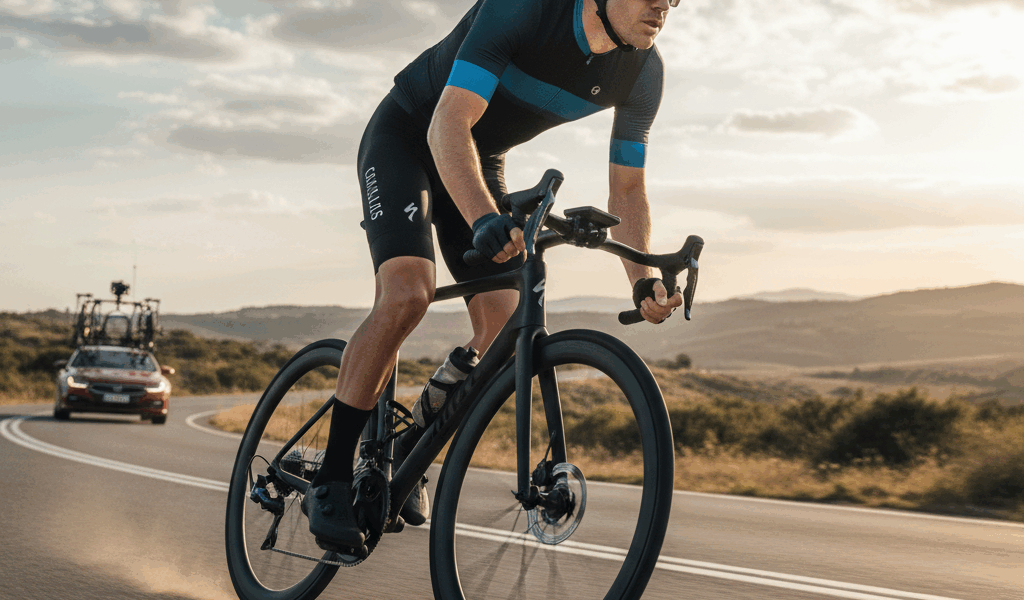
After a couple thousand miles in various cycling shorts — and some truly regrettable purchases along the way — I’ve developed opinions that border on obsessive about what makes a good pair. The difference between cheap shorts and quality shorts hits you about thirty miles into a long ride, right around the point where you start questioning every life decision that led you to this saddle.
This article includes affiliate links. We may earn a commission at no extra cost to you.
I wish someone had told me most of this before I spent $40 on my first pair and assumed all shorts were basically the same. They are very much not.
The Chamois Is Everything
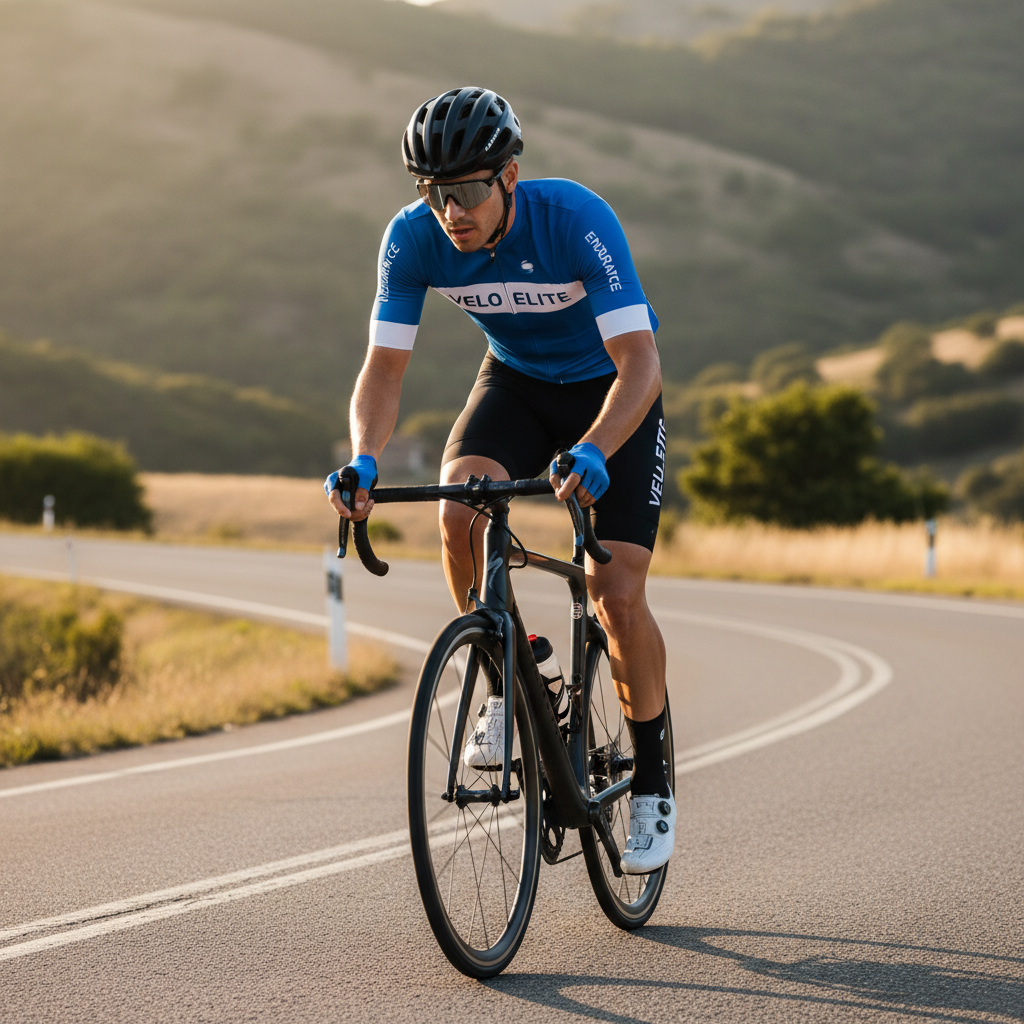
That padded insert is the entire reason cycling shorts exist. Everything else — fabric, stitching, whether they look cool — is secondary to whether the chamois keeps you comfortable at mile 60.
A good chamois has multiple density zones. Firmer foam under your sit bones where most of the pressure concentrates. Softer, thinner padding in areas that need some protection but not a brick of cushioning. And the shape matters — men’s and women’s chamois are genuinely different designs, not just the same pad in different sizes. If a brand is selling “unisex” cycling shorts, that’s a red flag that they’re cutting corners on the one thing that matters most.
I’ve ridden in shorts with chamois so bad I was standing on the pedals by mile twenty just to get relief. I’ve also ridden centuries in my Castelli bibs and felt fine at mile ninety. Same saddle, same position, wildly different experience. The chamois is the variable.
Brands That Get It Right
After trying probably a dozen brands, a few stand out for me.
Assos is the gold standard, and their prices — $200+ for bibs — reflect it. I borrowed a pair from a friend for a long ride and immediately understood why people pay that much. The chamois design, fabric quality, and construction details all feel like they’ve been refined over decades, because they have. If budget isn’t a constraint, Assos is the answer. For most of us, though, there are options that get you 90% of the way there for less.
Castelli is where I landed and stayed. Their Competizione line has become my default for anything over 40 miles. The chamois holds up past sixty miles without going numb, the fabric breathes well in heat, and I’ve machine washed mine probably 80+ times without noticeable degradation. At $140-170 for bibs, they’re not cheap, but I’ve gotten more use per dollar from Castelli than any other cycling purchase.
Pearl Izumi hits a good value point for recreational riders. Their mid-range shorts like the Attack line work fine for rides under fifty miles and cost half what premium options do. For weekend warriors who aren’t racing, this tier makes sense.
Rapha makes beautiful shorts at premium prices. Some people love them; I find them overpriced for what you get performance-wise. But the styling is undeniably good if that matters to you.
Bib Shorts vs. Regular Shorts
Bib shorts—the ones with suspender-like straps—are superior for actual riding. The waistband on regular shorts can cut in during the crouched riding position, and the shorts can shift around as you pedal. Bibs stay put and eliminate the waistband issue entirely.
The downside is bathroom breaks. Regular shorts pull down easily; bibs require removing your jersey and pulling the whole thing down. On a long ride with multiple stops, this gets annoying. Some companies make bibs with dropped waistbands or openings to address this, with varying success.
I wear bibs for road rides and regular shorts for mountain biking or casual spinning. Different tools for different jobs.
Fit Matters More Than You Think
Cycling shorts should fit snug — we’re talking compression-wear tight, not regular-clothing tight. If they feel loose when you’re standing in the store, they’ll bunch up and create friction hotspots once you’re crouched on the bike and pedaling for an hour. The fabric needs to move with your skin, not slide over it.
Leg grippers should hold the cuffs in place without leaving red marks or cutting off circulation. Some shorts use silicone bands, others use raw-cut elastic. I personally prefer the silicone — it holds better on my legs — but it comes down to your body and how the grip interacts with your particular thigh shape.
And yes — no underwear. I know. Everybody has the same reaction. But wearing underwear under cycling shorts defeats the entire purpose of the chamois. Cotton absorbs moisture, creates friction, and bunches up in exactly the wrong places. The chamois is designed to sit directly against skin. Accept this, move on, and you’ll be more comfortable for it.
When To Replace Them
Shorts wear out. The chamois compresses over time and loses its cushioning. The fabric loses elasticity. Leg grippers stop gripping. Most people ride shorts too long past their useful life.
If you’re getting saddle soreness on rides that used to feel fine, check your shorts first. The chamois degradation happens gradually enough that you don’t notice until it’s significant.
For regular riding—say, three to four rides per week—I expect about two years from a good pair of shorts. Less from cheaper ones. Training at volume, even premium shorts might only last a season.
Caring For Them
Wash after every single ride. A dirty chamois breeds bacteria, and bacteria causes saddle sores, and saddle sores will keep you off the bike entirely. This isn’t optional — treat it like washing a towel you used at the gym. Every time.
Cold wash, hang dry. The dryer is the enemy of cycling shorts. Heat wrecks the elastic, degrades the chamois foam, and shortens the lifespan of a $150 pair by months. I have a riding buddy who throws his bibs in the dryer on high and then wonders why they lose their compression after six months. The connection is not subtle.
Chamois cream can extend comfort on long rides and also has antibacterial properties that help keep things healthy. Some people use it every ride; others save it for longer efforts. Experiment to see what works for you.
What To Spend
Budget shorts (under $50) are fine for short rides and beginners figuring out what they want. Expect the chamois to be basic and the fabric to wear out faster.
Mid-range shorts ($75-125) work for most recreational cyclists doing rides up to a few hours. This is the sweet spot for value.
Premium shorts ($150-250+) make sense for long-distance riders, racers, and anyone who spends significant time in the saddle. The comfort difference on long rides justifies the cost.
I own shorts at all three levels and use them appropriately. Quick spin around town? Budget shorts are fine. Weekend century? Premium bibs, no question.


Leave a Reply