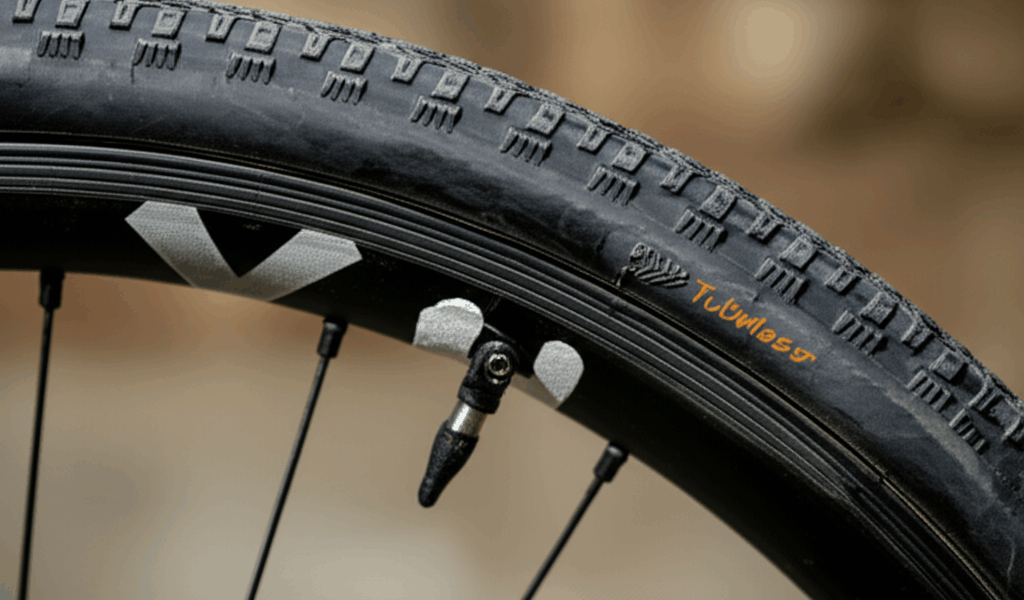
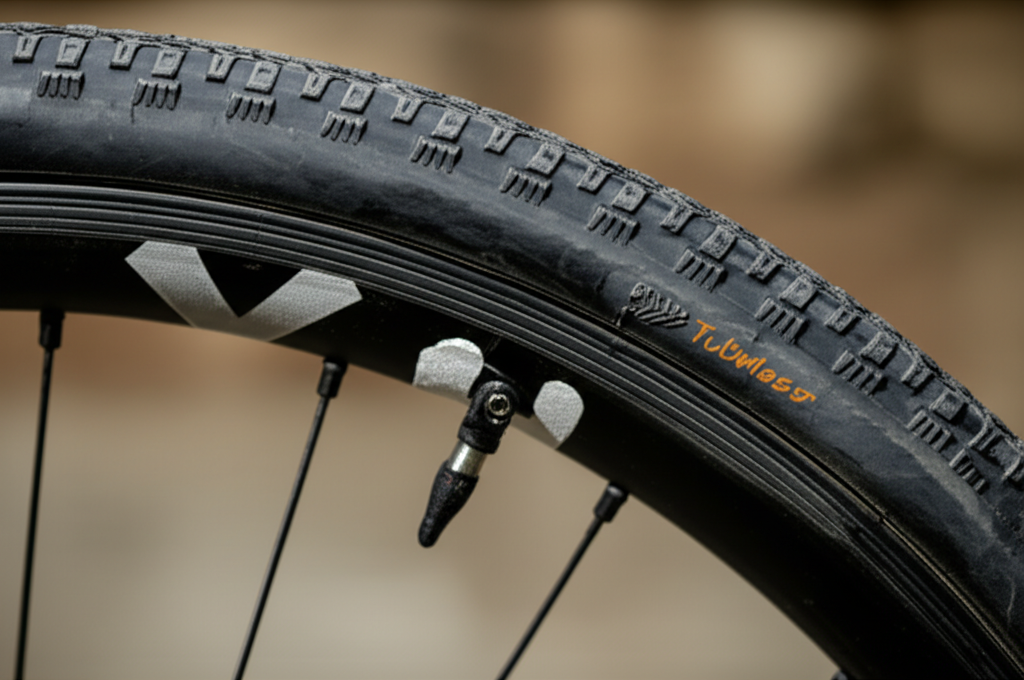
Tubeless sealant has gotten better over the years, but picking the right one still involves sorting through a lot of marketing claims and conflicting opinions. As someone who has ruined more pairs of cycling shorts to poorly-chosen sealant than I care to admit, I learned what actually works in real conditions and what just looks good in a product description. Today, I will share it all with you.
The promise of tubeless is real: lower pressures, better grip, fewer flats, and faster rolling. But it only delivers if the sealant inside is doing its job — sealing quickly, lasting through season, and not drying into a solid block of rubber chunks at the worst possible moment.
How Sealant Works
Tubeless sealant is primarily latex — natural or synthetic — mixed with water and fibrous particles. When a puncture happens, air escaping through the hole carries sealant with it. The sealant dries at the site, the latex and fibers form a flexible plug, and the hole seals. On a good day, this happens fast enough that you barely notice it on the bike.
Most sealants reliably seal punctures up to 4 to 5mm. Larger holes require a plug or patch regardless of sealant quality. Sealant also dries out over time as water content evaporates — most products need refreshing every 3 to 6 months depending on conditions.
Best Tubeless Sealants
Orange Seal Standard and Endurance
Orange Seal is the most consistently recommended sealant among riders who are genuinely hard on tires. It seals quickly, works in cold weather (which causes some latex sealants to gel and fail), and doesn’t dry out as fast as cheaper options. The Endurance formula extends life to approximately 60 to 90 days between refreshes.
Best for: Mountain biking, aggressive riding, cold weather
Stans No Tubes Race Sealant
Stans is the brand that popularized tubeless for mountain bikes, and their Race sealant remains one of the best general-use options. It’s thinner than some alternatives — better for road and XC use — seals small punctures quickly, and is widely available. Plan on a 30 to 60 day refresh cycle.
Best for: XC mountain, gravel, and road tubeless
Stans No Tubes Regular (Blue)
Thicker than Race, better for larger punctures and rougher riding. If you’re running wider tires at lower pressures in enduro or trail conditions, the regular formula is worth considering over Race.
Muc-Off No Puncture Hassle
Uses synthetic latex and fibers optimized for larger punctures. Runs thicker, which helps with bigger holes but can reduce initial spin-up speed slightly. Good shelf life inside the tire — approximately 3 to 6 months before refreshing.
Best for: Trail and enduro, riders who want confidence against bigger punctures
Effetto Mariposa Caffelatex
Popular among road and gravel riders for its lower viscosity and quick sealing action. Contains ammonia to help inhibit bacterial growth in humid climates. Some riders find it dries out faster than other options, but it works well fresh.
Best for: Road and gravel tubeless, lighter tire setups
How Much Sealant to Use
Under-fill is one of the most common mistakes. Standard amounts: 30 to 45ml for road tires (23 to 32mm), 45 to 60ml for gravel (35 to 50mm), 60 to 80ml for MTB XC (2.0 to 2.35 inch), and 80 to 120ml for trail and enduro tires (2.35 to 2.6 inch). When in doubt, err toward more — it adds minimal weight and meaningfully improves puncture resistance and longevity.
When to Refresh
You need a refresh when you hear dried chunks moving around inside the tire, when the tire has trouble holding pressure overnight, when you find dry latex flakes instead of liquid on inspection, or when it’s been more than four months since the last refresh. I’m apparently someone who lets this go longer than I should, and the flat I got on a wet gravel day two seasons ago finally taught me to put it on the calendar.
What Sealant Won’t Fix
Sealant seals holes. It doesn’t fix cuts longer than about 6 to 8mm, sidewall damage near the bead, or tread cuts large enough that air escapes faster than the sealant can plug. For larger punctures, carry a tire plug tool. A plug and sealant together handle most trail punctures that sealant alone won’t seal.
Stans Race is the safe default for most riders. Orange Seal Endurance is worth the premium for cold conditions or extended refresh intervals. Muc-Off is the call if you run bigger tires in rough terrain. Keep it filled, keep it fresh, and tubeless does exactly what it promises.



Leave a Reply