The debate about who the greatest sprinter in professional cycling history has gotten quieter since 2024. As someone who watched Cavendish race through most of his career, I saw the evolution from dominant force to struggling veteran to record-breaker in a way that’s hard to fully explain without having followed it. Today, I will share it all with you.
The record is 35 Tour de France stage victories. Nobody else is close.
How He Actually Does It
Cavendish is not the fastest cyclist in a straight line. Other sprinters have had higher raw top speeds in isolation. What separates him is something harder to measure: reading a sprint from three kilometers out, finding the right wheels to follow, judging lead-outs, and arriving at the line with timing that consistently beats riders who are physically faster.
He accelerates later than most sprinters. By waiting until 150 to 200 meters from the line, he can respond to what’s happening in front of him rather than committing early and hoping the situation doesn’t change. His ability to shift his line when a gap appears or closes in the final moments is exceptional — a skill that takes years to develop and that most sprinters never fully acquire.
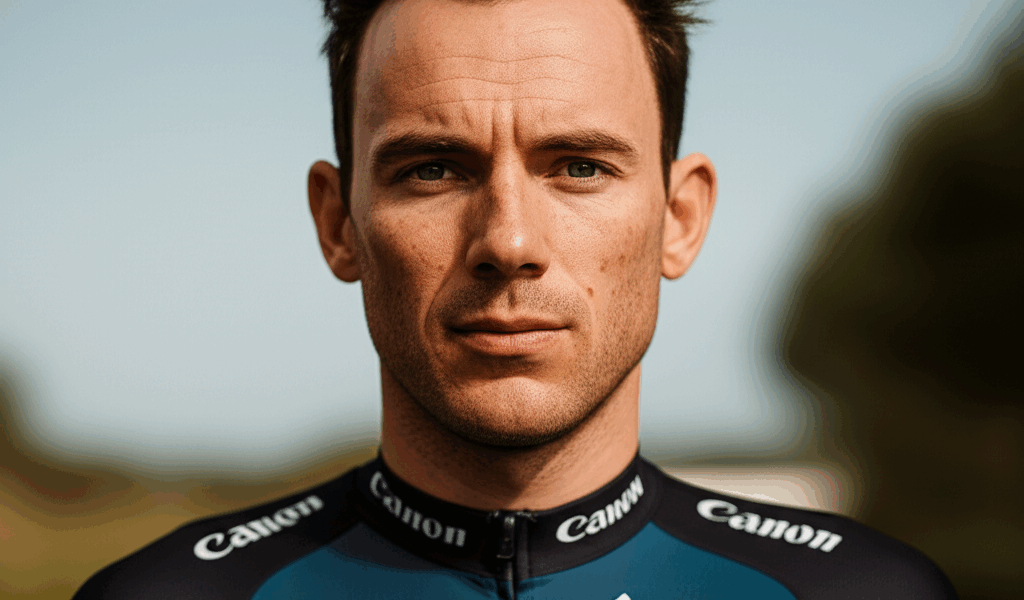
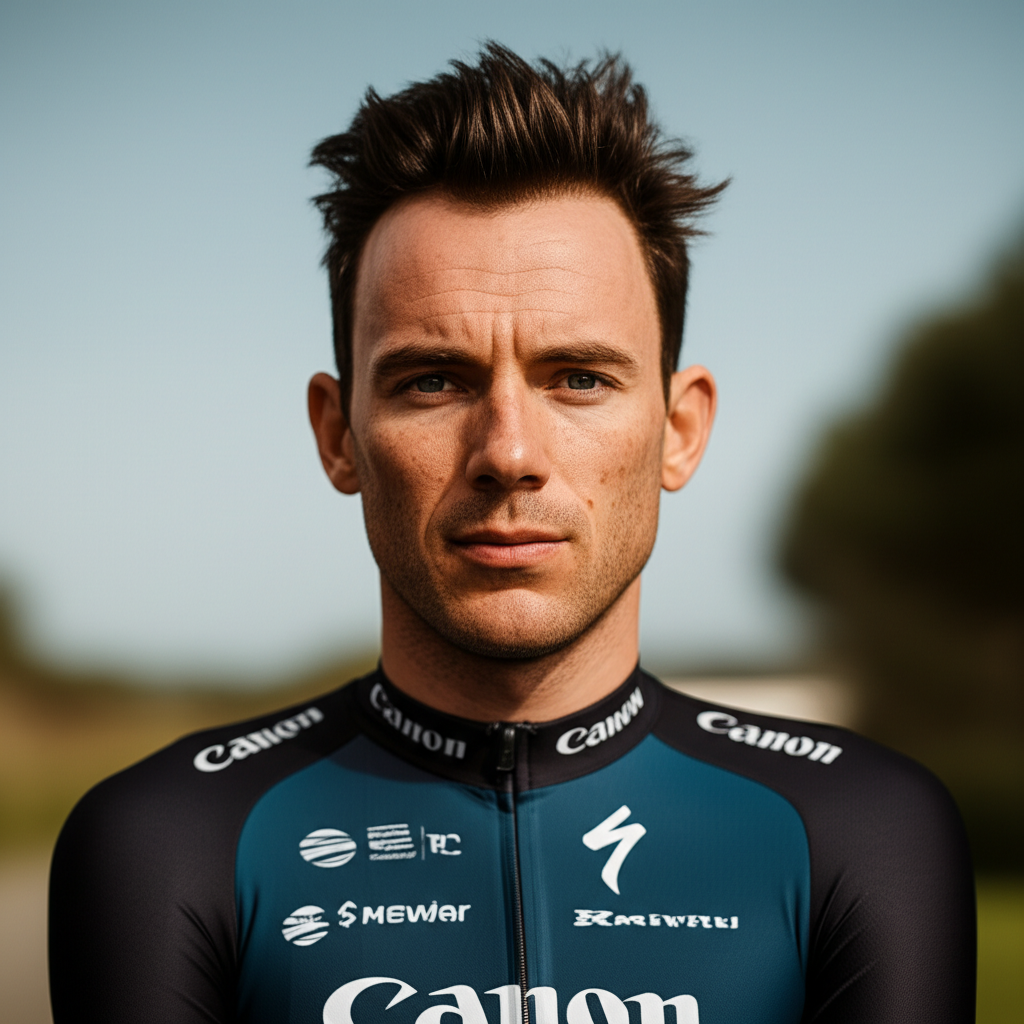
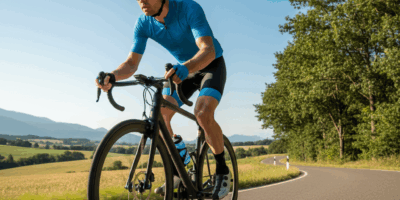
The sprint position is another part of it. Cavendish gets extremely low over the bars at the finish, presenting a smaller frontal area at the moment when fractions of a second are everything. That position looks painful to sustain for even the ten seconds it lasts. Probably should have led with that visual, honestly — it explains a lot about why the margins exist.
The Lead-Out Train
No sprinter wins alone. Cavendish’s career has been defined by the teams built around him — the lead-out trains that deliver him to the final 200 meters with speed and position.
The most famous was the HTC-Columbia team that dominated sprint finishes between 2008 and 2011. Riders like Mark Renshaw and Matt Goss worked as a precision unit, burning themselves out at race pace to bring Cavendish to the line protected and in the right lane. Later configurations at Omega Pharma-Quick-Step and subsequent teams adapted the approach, but the principle held: Cavendish’s role was to trust the work done before him and then execute at the line.
The Stage Record
Cavendish’s 34th Tour stage win came in 2021, tying Eddy Merckx’s record of 34 that had stood for 49 years. The 35th came in 2024 — at age 39, after years of injury, illness (a severe EBV infection in 2017 effectively derailed two seasons), inconsistent results, and a period when a second act seemed genuinely unlikely.
Merckx himself has been gracious about the record, noting that Cavendish is a different kind of rider excelling in a different era. Cavendish’s wins are almost entirely stage finishes; Merckx’s record covered a dramatically broader range of race types. Both represent transcendent talent across long careers. The comparison is interesting but ultimately secondary to the fact that both records are remarkable.
The Career Arc
Cavendish turned professional in 2007 with T-Mobile and won his first Tour stage in 2008. By 2011, he had won five stages in a single Tour and taken the points jersey. The difficult middle period followed — team moves, form fluctuations, injuries, and the EBV illness that took him out of serious contention for a significant stretch.
The 2021 revival at Deceuninck-Quick-Step with Michael Morkov as lead-out man changed the narrative. At 36, he was winning at the Tour again. The record tie set up the 2024 appearance, and the 35th stage win followed.
What His Critics Miss
Some observers treat sprint victories as lesser achievements compared to climbing or time trial wins. The argument is that sprints are purely about speed and positioning — easier to win than a mountain stage requiring hours of suffering.
That underestimates what sprint victories require. A peloton sprint at speeds exceeding 70 km/h in close proximity to other riders is dangerous, exhausting, and technically demanding in ways invisible from the roadside. One wrong line, one moment of hesitation, one wheel touched ends careers. The competition Cavendish beat at their best — Robbie McEwen, Alessandro Petacchi, Andre Greipel, Marcel Kittel, Peter Sagan — was not a soft field.
Winning 35 Tour stages against that competition across 17 years is not a narrow achievement. The record may stand for decades. That’s the measure of it.

Leave a Reply